Home › Gravel-to-Asphalt Conversions
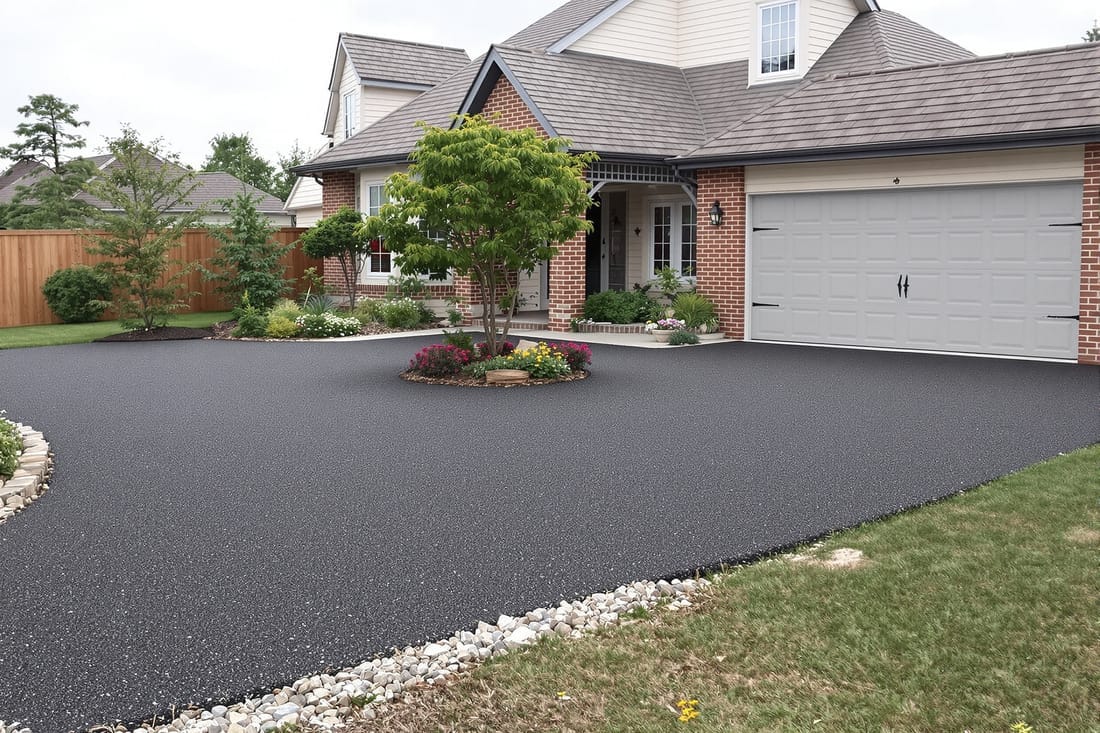
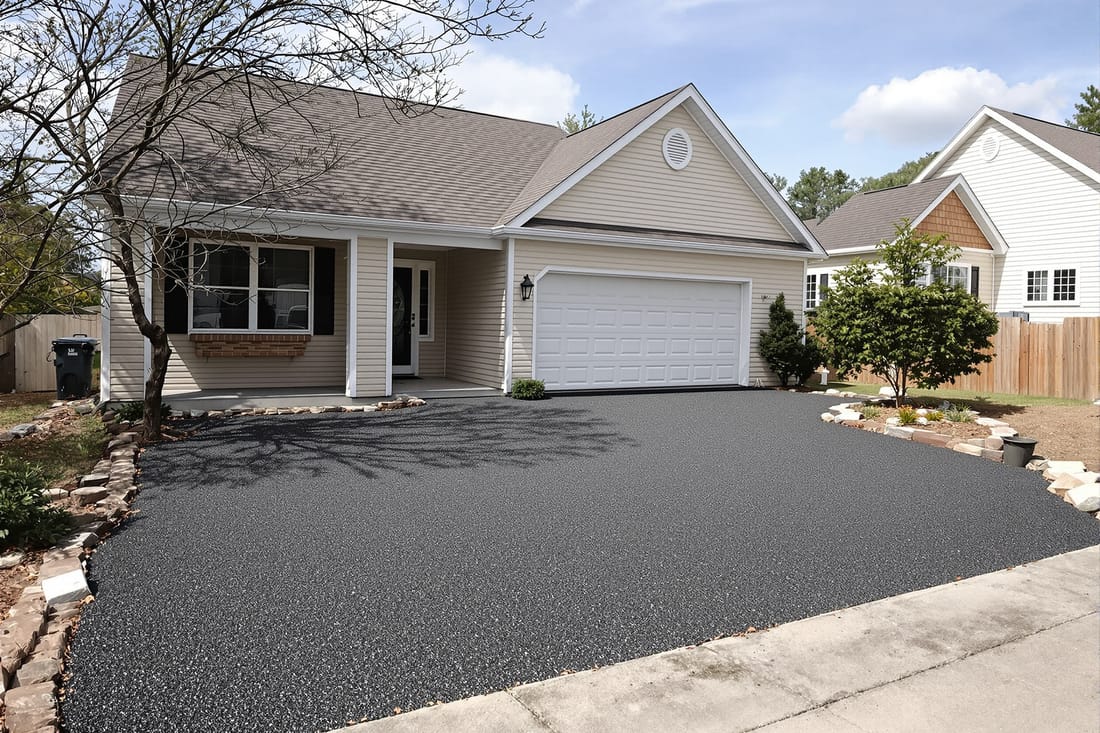
Upgrade from dusty, muddy gravel to a clean, smooth surface with a gravel to asphalt driveway conversion in Baton Rouge, LA. We regrade, compact, and stabilize your existing drive, then install durable asphalt for easier driving and low maintenance. The result is a neater look, better drainage, and less tracking of rocks and mud.
Precision Asphalt Baton Rouge provides professional gravel to asphalt driveway throughout Baton Rouge, LA, Louisiana and the surrounding area. Our licensed, insured crew delivers safe, clean, on-time work with a free estimate before anything begins. Call (225) 529-3584 or request your free quote.
Gravel-to-Asphalt Driveway Specialists in Baton Rouge
A gravel to asphalt driveway conversion is more than just pouring blacktop over rocks. In Baton Rouge, our clay-heavy soils, frequent rain, and summer heat all affect how a new asphalt surface performs. Precision Asphalt Baton Rouge focuses specifically on converting existing gravel driveways and parking areas into smooth, durable asphalt that stands up to local conditions.
We work on homes in older Baton Rouge neighborhoods with narrow drives, newer subdivisions off Highland and Burbank with wide parking pads, and rural properties around Zachary, Prairieville, and Central with long gravel lanes. Each type of property needs a different approach. For example, a short driveway off a city street often needs careful tie-ins to existing concrete or curb, while a long country drive usually needs drainage work and subgrade improvements before paving.
From the first visit, we evaluate your existing gravel base, drainage patterns, and how you use the driveway (number of vehicles, trailers, delivery trucks). This lets us design an asphalt structure that is thick enough and properly supported, not just a thin cosmetic layer that will rut or crack in a few seasons.
Step-by-Step: How We Convert Gravel to Asphalt
A proper gravel to asphalt driveway conversion follows a defined process. At Precision Asphalt Baton Rouge, we rarely skip steps, because any shortcut usually shows up as a problem within a year or two.
1) Site evaluation and measurements. We measure the driveway length and width, check elevations from the street to your garage or carport, and identify low spots that collect water. On sloped sites in Baton Rouge, like around Shenandoah or near the lakes, we pay close attention to runoff so water does not end up in your garage.
2) Grading and reshaping the existing gravel. We use grading equipment to reshape the gravel surface, create a consistent slope for drainage, and remove any high or soft spots. If your gravel contains a lot of loose, round rock with very little fines, we may recommend adding a more compactable base material.
3) Base reinforcement if needed. In areas with soft clay, standing water, or heavy traffic, we often add additional limestone base or crushed concrete to strengthen the foundation. This is especially common for long driveways that support delivery trucks or equipment trailers.
4) Compaction of the base. We compact the base with vibratory rollers in several passes until it reaches the density needed to support asphalt. If the base pumps or moves under the roller, we correct that before paving.
5) Edge preparation. We define clean edges, either by cutting into the yard, matching to existing concrete, or installing a small shoulder. Well prepared edges help prevent cracking and raveling along the sides of the driveway.
6) Asphalt installation. We typically install hot mix asphalt using a paving machine for consistent thickness, then compact it with steel drum and pneumatic rollers. For smaller or tight areas near fences or carports, we may hand place and then mechanically compact.
7) Final rolling and cleanup. We finish the surface to a smooth, even texture, remove loose debris, and review the finished grade to be sure water sheds away from structures.
Base Work and Drainage: The Non-Negotiables in Baton Rouge
Most early failures in a converted gravel to asphalt driveway are caused by two things: poor base preparation and bad drainage. Baton Rouge soils are often expansive and hold water, so we put extra emphasis on what is under the asphalt.
Before we recommend paving, Precision Asphalt Baton Rouge checks the thickness and condition of your existing gravel. A typical residential conversion might require a total base thickness of 4 to 8 inches of compacted material beneath the asphalt, depending on traffic and soil. If your driveway has thin or spotty gravel with visible mud or ruts, we will likely need to add base and correct soft spots.
Drainage is just as important. Water that stands on or under a driveway will shorten its life. We look for low pockets near the street, between the driveway and the house, and around carports and sheds. Solutions can include reshaping the drive to introduce a mild crown, adding shallow swales along the sides, or adjusting the tie-in to the street so water flows into an existing ditch or catch basin.
In neighborhoods with flat lots, like many off Jones Creek or Airline, even small changes in slope can make a big difference. We explain exactly where water will go after the conversion and what changes, if any, we need to make to your existing drainage patterns.
Asphalt Thickness, Mix Options, and Finish Choices
Not every gravel to asphalt driveway needs the same asphalt thickness or mix. At Precision Asphalt Baton Rouge, we match the design to your needs and soil conditions rather than using one standard spec on every project.
For typical single family homes with passenger vehicles, a common build is 2 to 3 inches of compacted hot mix asphalt over a properly prepared base. For driveways that see heavier loads, such as work trucks, boats, or RVs, we may recommend a thicker asphalt section or a stronger base under the same thickness.
We primarily use dense graded hot mix asphalt designed for local climate and DOT standards, which resists rutting in summer heat and holds up during heavy rains. For long private drives, we may recommend a slightly coarser surface that offers more traction when wet. Near garages, walkways, and patios, many homeowners prefer a tighter, smoother finish that is easier to sweep and looks cleaner.
You can also choose how the driveway ties into existing surfaces. We can taper and feather asphalt up to your garage slab, match to city sidewalks, or transition to gravel or ground beyond a parking pad. We discuss these details before work begins so the finished driveway looks intentional, not pieced together.
What Affects the Cost of a Gravel-to-Asphalt Conversion
Homeowners often ask why two seemingly similar gravel to asphalt driveway projects can have very different prices. In Baton Rouge, several specific factors drive cost, and understanding them helps you compare estimates fairly.
Key cost drivers include:
• Length, width, and layout. Straight drives are more efficient than drives with multiple curves, parking bays, or tight access alongside houses or fences.
• Base condition. If we can use most of your existing gravel and only need light grading, costs are lower. If we find extensive soft spots, thin gravel, or drainage issues, additional base and grading will add to the price but also prevent future failures.
• Access for equipment. In older neighborhoods with narrow side yards, we may need smaller machines and more hand work, which increases labor time.
• Thickness and mix design. Thicker asphalt and beefed-up base sections cost more up front, but may be necessary for heavy vehicles or problem soils.
• Tie-ins and detail work. Matching to existing concrete, working around culverts, or creating shaped parking areas requires more labor and precision.
Precision Asphalt Baton Rouge provides written estimates that break out key elements, such as base work, asphalt thickness, and any drainage improvements, so you can see where your money is going.
Common Problems With Old Gravel Drives and How We Fix Them
Converting a gravel to asphalt driveway is often the solution to long standing issues with dust, mud, and ruts, but we need to address the underlying causes first. Our crews are trained to spot problems that will carry through if not corrected.
Ruts and wheel tracks usually mean the base or subgrade is too weak for the traffic it carries. Instead of simply paving over the grooves, we cut them out, rebuild the base with a more stable aggregate, and recompact. Otherwise the ruts will reflect through the new asphalt.
Potholes in gravel drives often show up where water consistently sits. In these spots we dig deeper, improve drainage and base material, and often adjust the driveway slope to shed water away. In heavily shaded areas or low backyards near Bayou Manchac or Ward Creek, this can be critical.
Dust and loose stone typically occur when the gravel lacks fines or has never been properly compacted. Before paving, we blend and compact the surface so the top of the base locks together and provides a solid platform for asphalt.
Uneven transitions to garages or roads can cause scraping and trip hazards. We correct grades and elevations during the conversion so vehicles roll smoothly from the street onto your new asphalt, and from the driveway into your garage or carport.
What to Expect From Precision Asphalt Baton Rouge
A successful gravel to asphalt driveway project depends on clear communication as much as on good construction. Precision Asphalt Baton Rouge handles your project in defined phases so you know what is happening and why.
Before work starts, we walk the driveway with you, confirm the layout, discuss any drainage adjustments, and mark edges and tie-in points. We explain where equipment will access your property and where materials will be staged.
During construction, you can expect some noise and temporary disruption, typically over one to three days depending on driveway size and the amount of base work. We keep driveways accessible as much as possible, and let you know in advance when you will need to park on the street.
After paving, we advise keeping vehicles off the new asphalt for 24 to 48 hours, depending on weather. In hot Baton Rouge summers, the surface may remain slightly soft for a short time, which is normal. We provide guidance on avoiding sharp turns from stationary steering, using jack stands or trailer jacks on boards, and when to consider sealcoating in the future.
Our goal is a driveway that looks clean on day one and still performs years later, without the mud, dust, and constant regrading that come with gravel. When we finish a gravel to asphalt driveway conversion, we leave you with a surface built for Louisiana weather and real, everyday use.