Home › Commercial Gravel-to-Asphalt Conversions
Turn dusty, uneven gravel lots into professional pavements with commercial gravel to asphalt conversions in Baton Rouge, LA. We regrade and compact your existing surface, address drainage, then install durable asphalt suited to your traffic levels. The finished pavement improves appearance, reduces maintenance, and makes your property easier to access year round.
Precision Asphalt Baton Rouge provides professional commercial gravel to asphalt throughout Baton Rouge, LA, Louisiana and the surrounding area. Our licensed, insured crew delivers safe, clean, on-time work with a free estimate before anything begins. Call (225) 529-3584 or request your free quote.
Turn Your Gravel Lot Into a Professional Asphalt Surface
If your Baton Rouge commercial property still has a gravel parking lot or drive lanes, you are likely dealing with dust, mud, and frustrated visitors. Precision Asphalt Baton Rouge focuses on commercial gravel-to-asphalt conversions that turn rough rock surfaces into durable, well-marked asphalt lots that match the level of your business.
We routinely help property managers, church boards, medical offices, shopping centers, and industrial facilities that started with gravel as a quick, low-cost solution. Over time, the constant rutting, standing water, and ongoing need for grading become more expensive than a properly built asphalt lot. Our team evaluates your existing gravel base, drainage paths, traffic patterns, and heavy vehicle routes so that your new asphalt surface is not just smoother, but also engineered to hold up in Louisiana heat and rain.
From small office lots along Corporate Boulevard to larger warehouse yards near the Port of Greater Baton Rouge, we adapt the conversion process to the actual conditions on your site, including the soil type, truck traffic, and how close we are working to existing buildings and utilities.
How a Commercial Gravel-to-Asphalt Conversion Works
A successful conversion is more than simply paving over gravel. Precision Asphalt Baton Rouge follows a defined process that keeps your business disruption as low as possible while building a structure that will last.
1) Site evaluation and measurement. We start by walking the entire gravel area with you, noting existing potholes, soft spots, drainage issues, and traffic flow. We measure the site, confirm property lines, and identify any underground utilities or manholes that must be protected or adjusted.
2) Grading and base preparation. Even if you have a thick gravel layer now, we check compaction and thickness using probes and visual inspection. Soft or organic material is removed, then we shape the lot for proper slope toward drains or swales. In many Baton Rouge locations with clay-heavy soil, we add and compact a layer of crushed limestone or recycled concrete to create a stronger base.
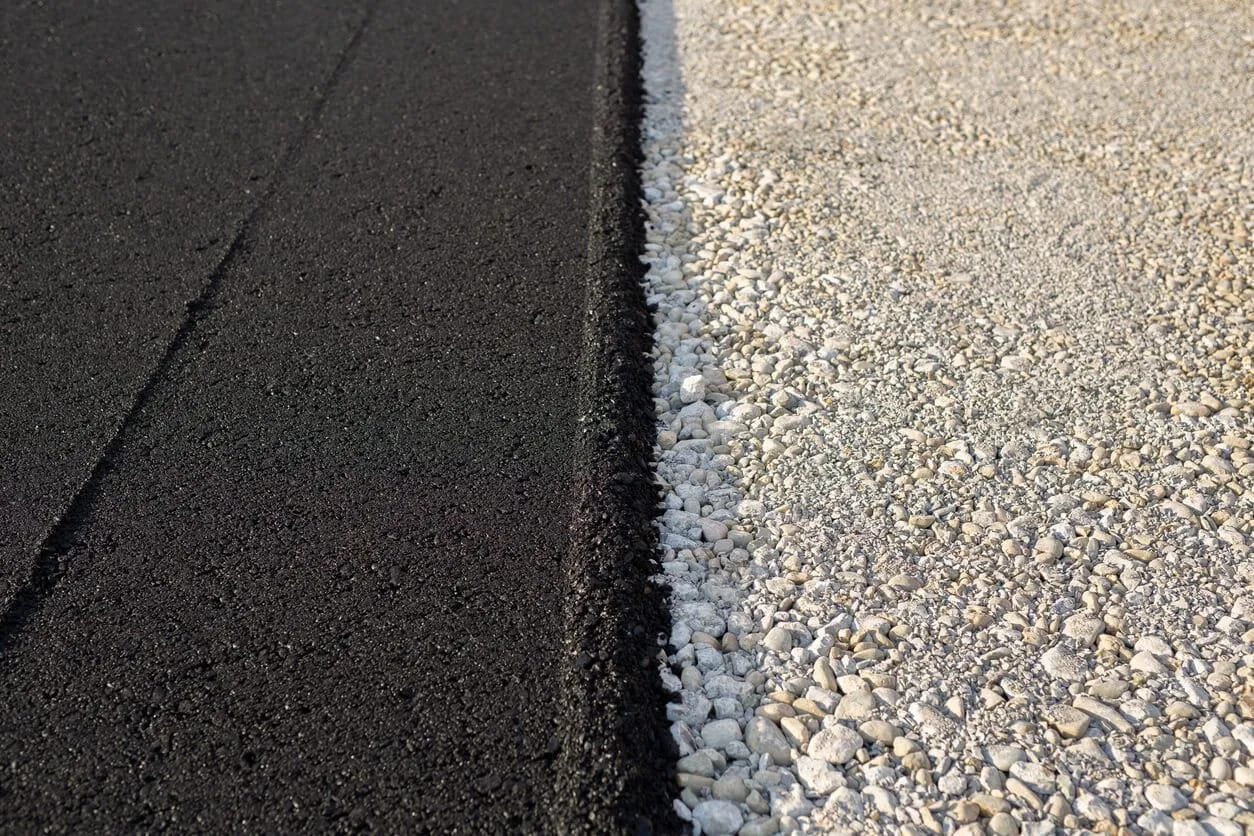
3) Edge definitions and transitions. Before paving, we install or adjust edges where asphalt will meet existing concrete, buildings, or street entrances. That might mean cutting in concrete ribbon curbs, saw-cutting a clean edge on city asphalt at the driveway tie-in, or setting forms where dumpster pads or loading dock aprons will remain concrete.
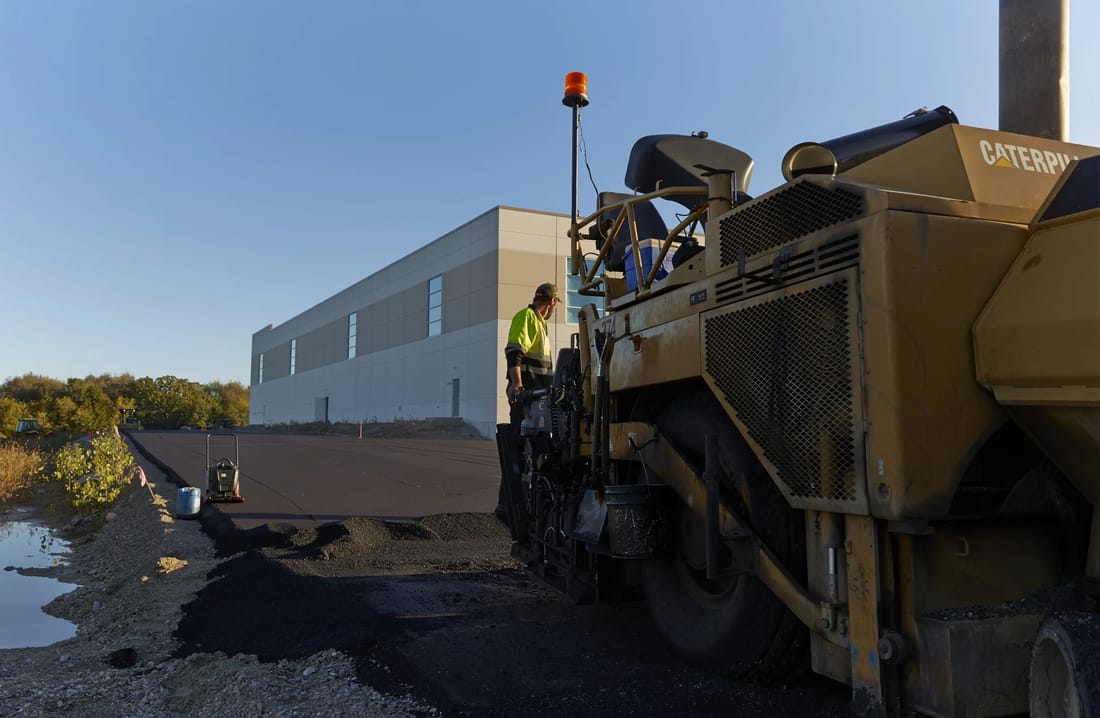
4) Asphalt installation. For most commercial gravel-to-asphalt conversions, we place a binder course (structural asphalt layer) followed by a finer surface course. Thickness usually ranges from 2.5 to 4 inches compacted, depending on whether the lot will see passenger vehicles only or frequent 18-wheelers and delivery trucks.
5) Compacting and finish work. Steel drum and pneumatic rollers compact the asphalt while it is still at the proper temperature, creating density that resists rutting. After the mat cools, we install striping, directional arrows, ADA-compliant markings, and wheel stops so the lot is ready for customers.
Design Choices for Your New Asphalt Lot
Commercial gravel-to-asphalt conversions give you a chance to correct layout and drainage problems that have bothered you for years. Precision Asphalt Baton Rouge helps you use this upgrade to improve appearance, safety, and traffic flow.
Parking layout and traffic patterns. We can re-stripe the new asphalt with organized parking rows, fire lanes, and clearly marked entrances and exits. For churches and schools that handle heavy traffic spikes on limited days, we can include directional arrows and crosswalks that guide people safely through the property.
Pavement structure options. Light-duty areas like small office parking can use a single or thinner lift of asphalt over a well-compacted base. Heavy-duty areas that see garbage trucks, delivery vehicles, or forklifts benefit from thicker asphalt or an added binder layer. For industrial users along Airline Highway or in North Baton Rouge, we often recommend a heavier section to prevent shoving and premature cracking.
Drainage improvements. Gravel tends to soak up and hold water in ruts, which feels less obvious until you pave over it. Before we lay any asphalt, we confirm that slopes will move stormwater off the surface and away from buildings. In low-lying areas typical of Baton Rouge, we may add French drains, surface inlets, or subtle grade changes to prevent water from standing near entry doors or dock doors.
Curbing and hardscape. You can pair your new asphalt surface with concrete curbs, islands for landscaping, and reinforced dumpster pads. These features keep vehicles in defined areas and protect the edges of the new pavement from crumbling under wheel load.
What Affects the Cost of Converting Gravel to Asphalt
Every gravel lot is different, and Precision Asphalt Baton Rouge explains the cost drivers up front so you can see where your budget is going.
Subgrade condition. Strong, well-drained base material can often be regraded and compacted with minimal additions, which saves money. If we find saturated clay, organic soil, or severe rutting, we may need to undercut and replace some material or strengthen the base with additional rock. That extra work adds cost but prevents expensive failures later.
Pavement thickness and traffic load. Lots that will handle box trucks or tractor trailers need more asphalt and potentially thicker base rock. For example, a small professional office with car-only traffic might perform well with 2.5 inches of asphalt, while a distribution yard might require 4 inches or more. More material and heavier compaction equipment affect price.
Drainage and concrete work. Adding catch basins, curbs, or concrete loading pads increases the project scope but often solves long-standing water and damage issues. In many Baton Rouge projects, tying into existing city streets or older concrete around buildings also adds some saw-cutting and transition work.
Phasing and access. If you must keep part of the lot open at all times for patients, tenants, or deliveries, we schedule work in phases. This can lengthen the overall project duration and occasionally affect cost, but it allows your operation to continue without a full shutdown.
Striping and compliance items. Line striping, ADA-accessible spaces, signage posts, and wheel stops are usually a small portion of total cost, yet they are critical for meeting code and insurance requirements.
Common Problems and How We Prevent Them
Skipping steps when converting gravel to asphalt can lead to problems that show up within the first couple of Louisiana summers. Precision Asphalt Baton Rouge focuses on preventing these issues from the start.
Rutting and depressions. If the gravel base is not properly compacted or is sitting on soft clay, truck traffic can push the asphalt down and create ruts. We use appropriate compaction equipment, add base rock where needed, and design the asphalt thickness to match vehicle loads.
Standing water and premature cracking. Water that sits in low areas will seep into the pavement, weaken the base, and eventually cause cracking. During grading we use laser or string-line checks on key slopes, then after paving we inspect for any birdbaths and correct them before striping.
Dust bleeding through new asphalt. Old gravel lots in industrial areas sometimes have contamination from oils or fine materials. If these are not addressed, they can migrate into the new asphalt surface. We may remove contaminated base, use geotextile separations, or apply primers that help keep the new mat stable.
Poor joints at entrances. One of the most visible problems is a harsh bump where your lot meets the public street or an existing concrete drive. We take time to cut clean joints, set proper elevations, and compact those tie-in areas carefully so customers experience a smooth transition as they enter and exit.
Lack of planning for growth. Many Baton Rouge businesses expand quickly and outgrow their original gravel areas. When you convert to asphalt, we can help you think ahead about potential future additions, stub-outs for additional drives, or reserve areas for later expansion so today’s work blends cleanly with tomorrow’s changes.
What Baton Rouge Property Owners Should Know Before Hiring
Converting a commercial gravel lot to asphalt is a long-term investment, so choosing the right contractor matters. Precision Asphalt Baton Rouge focuses on local conditions and clear communication instead of one-size-fits-all paving.
Check for true base preparation in the scope. Your proposal should clearly describe grading, base evaluation, compaction, and any undercutting or additional rock. If a bid only mentions “pave existing gravel,” it may not include the steps needed to support your traffic long term.
Ask about experience with commercial codes and ADA. For medical offices, apartments, and retail centers in Baton Rouge, proper stall widths, accessible spaces, and slopes to meet ADA standards are not optional. We design layouts with these requirements in mind and coordinate with you or your architect when needed.
Confirm schedule and phasing around your operations. We routinely schedule work during off-hours, weekends, or school breaks to keep disruption low. For example, churches often prefer weekday work so the lot is ready for Sunday, while some warehouses need night or staged work to keep shipments moving.
Plan for maintenance from day one. A new asphalt lot will benefit from periodic crack sealing and eventually sealcoating. We explain what maintenance timeline to expect for your specific use, so you can budget ahead and protect what you just built.
Most of all, ask questions. We welcome detailed conversations about thickness options, drainage plans, and how to handle heavy truck areas versus standard parking. When you work with Precision Asphalt Baton Rouge, you get a team that understands both the paving science and the day-to-day realities of running a commercial property in Louisiana’s climate.